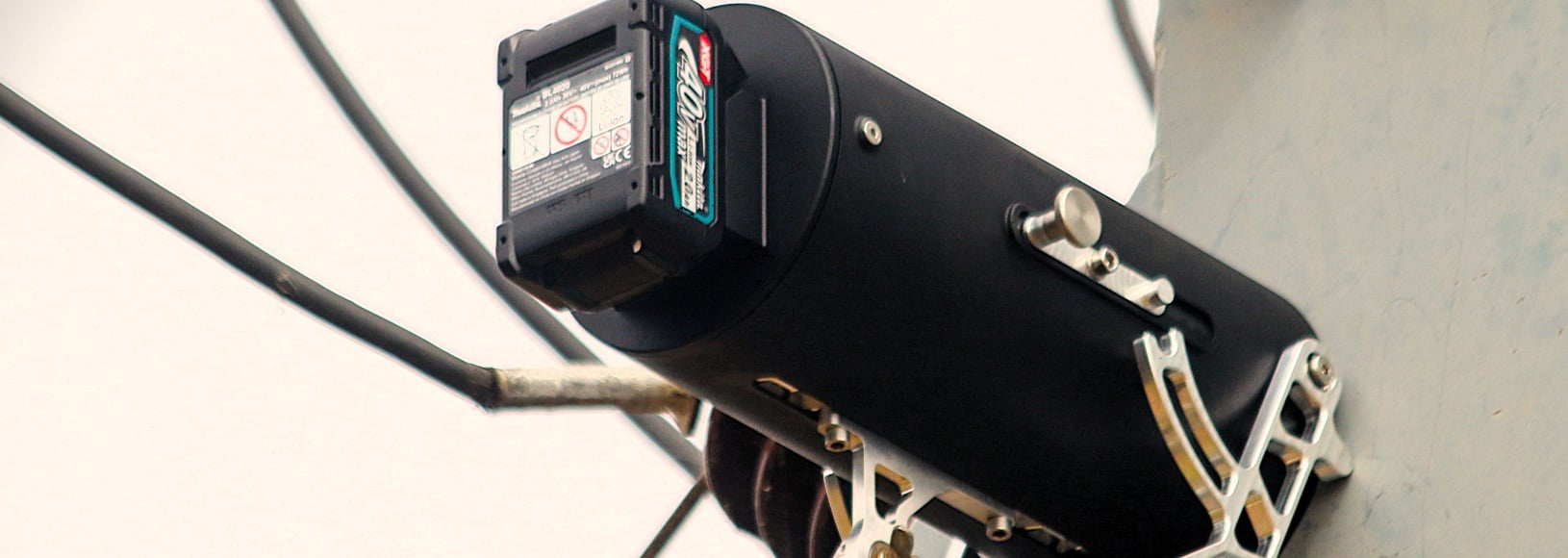
We're helping lead the delivery of a solution that’s reducing the need for planned outages and time-consuming equipment replacement on our electricity distribution network.
Here at SSEN Distribution – in common with all Distribution Network Operators (DNOs) – we're actively managing and removing assets containing Polychlorinated Biphenyls (PCBs) to comply with safety and environmental regulations.
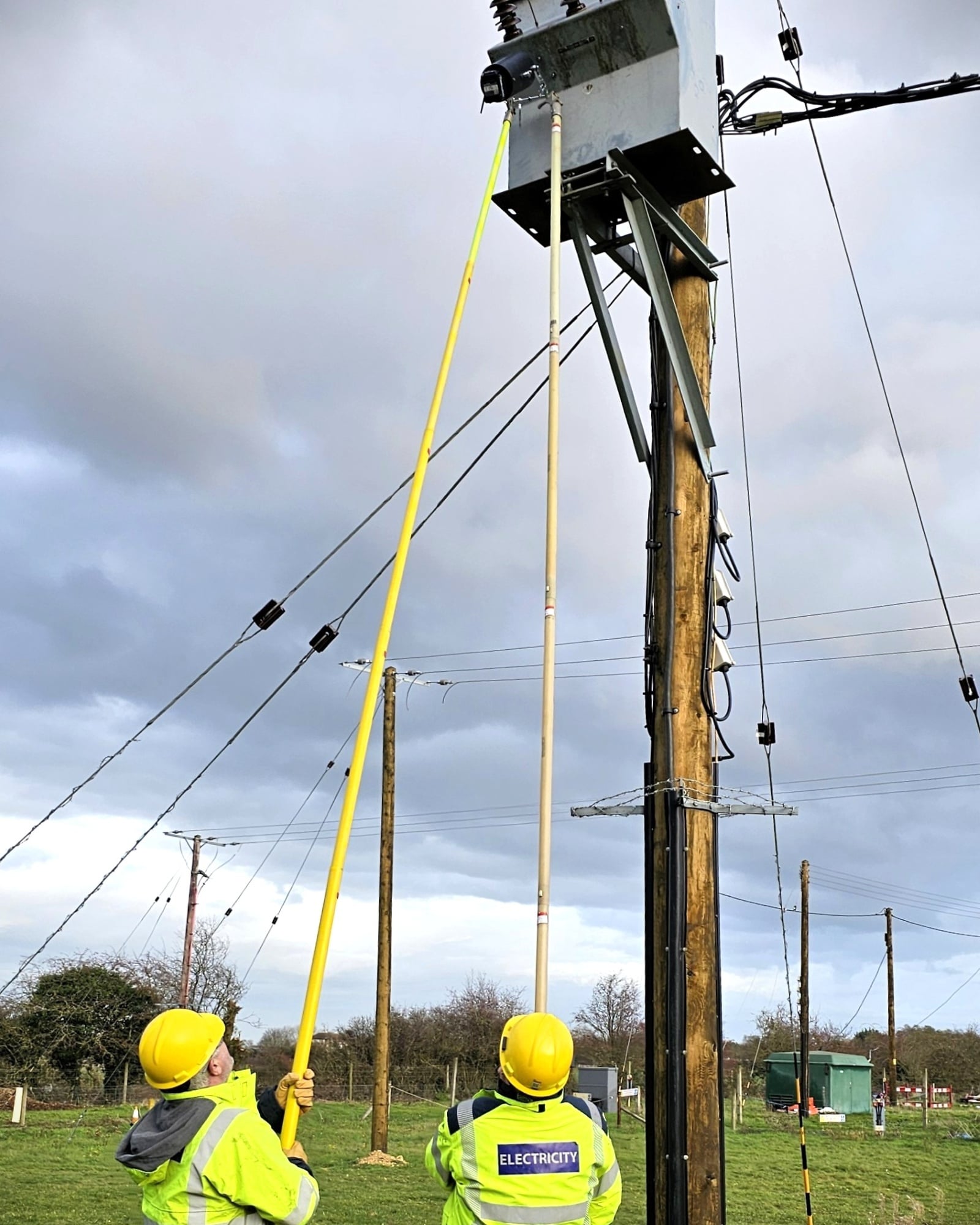
Low levels of PCBs – which were once used because of their low flammability – have been found in a minority of oil-filled network infrastructure, including in Pole-Mounted Transformers.
Up until now, testing for PCBs in these pieces of equipment has required a planned network outage and, in many cases, the full removal of the transformer from the pole. This is costly, disruptive to peoples’ electricity supplies, and may not even be necessary if it turns out no PCBs are present.
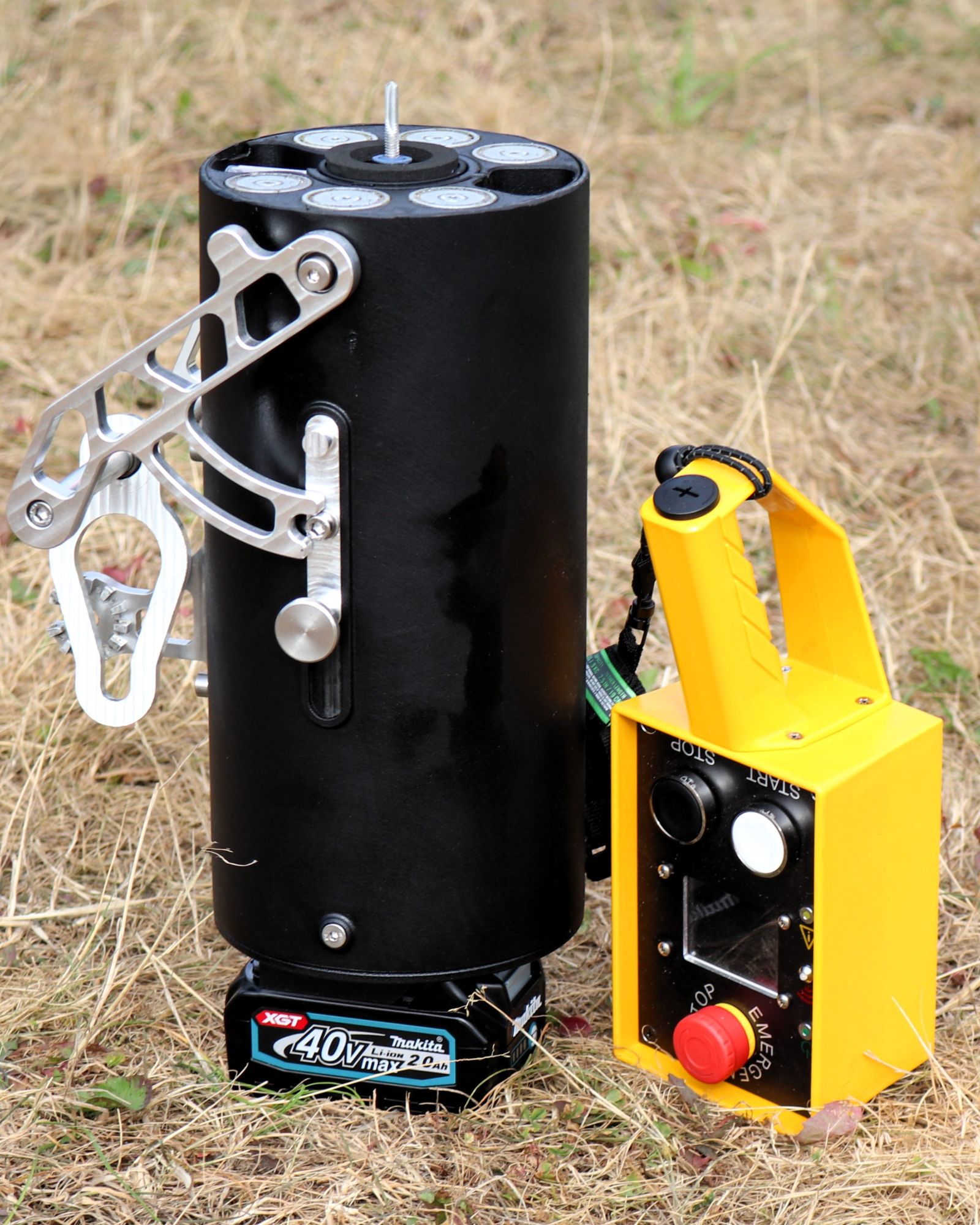
The Solution? The Lancet!
The need for a better solution has given rise to the Lancet project, which is developing a tool which can safely sample the fluids contained within transformers while the equipment is still live. The Lancet tool is a remotely-operated cordless drill that can gather an oil sample from a pole-mounted transformer in a safe way that causes no damage to the electrical equipment.
The project has now successfully advanced to its Phase Three stage, through the support of Ofgem’s Network Innovation Allowance. This stage will lay the groundwork for the tool’s final development, certification, and integration into network operators’ business-as-usual activities.
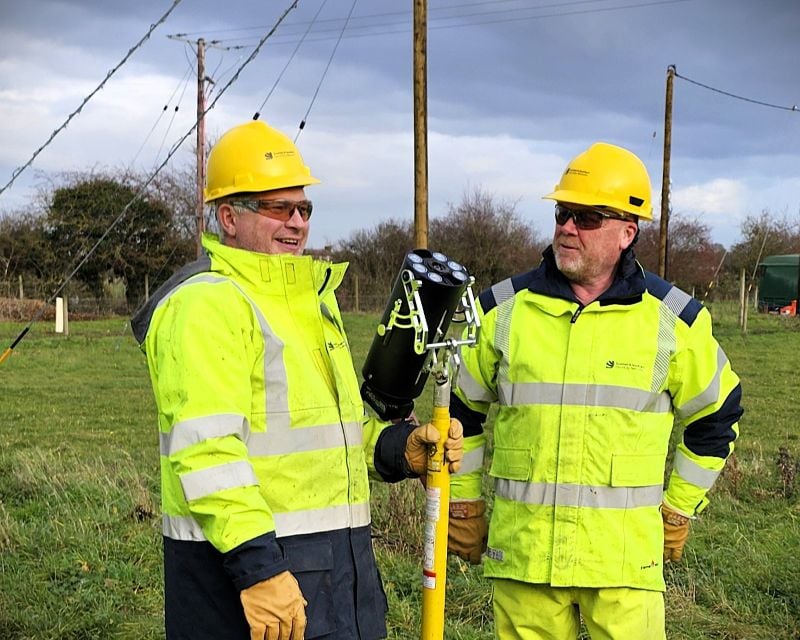
Our team has worked together with colleagues at fellow network operator UK Power Networks and the experts at Steer Energy Solutions to develop the Lancet. Once the tool is being used on the network, the project team will continue their development work to see how it can be applied in other ways.
Rodger Yuile, Asset Strategy Engineer at SSEN Distribution says:
“Previous testing indicated that most of the Pole-Mounted Transformers we removed weren’t actually contaminated with Polychlorinated Biphenyls. We saw an opportunity to save time and money - and avoid disruption - if we could find a better solution.
“The tool we and our partners have developed will deliver clear benefits: for our customers; the environment; and the efficient operation of our business. While it takes several hours to remove - and then test - a transformer for the presence of PCBs, this new tool means we can get a sample within an hour, without interrupting power supplies to our customers.
“The move to Phase Three means we can carry out the final work to ready this solution for a wider roll-out onto the network. In practice, this will see us validate the tool under live network conditions, confirm compliance with safety and environmental standards, and develop supporting procedures and training.
“We wouldn’t have been able to make this much progress without the hard work and commitment of our partners, for which we’re very grateful.”