We're moving forward with the further development of two innovation projects after successfully securing £17.8m to help fund their ‘Beta’ phase, which means real world, large-scale trials can take place. These grants, which come from Ofgem’s Strategic Innovation Fund, add considerably to the funding we and our partners are also contributing.
The projects in more detail
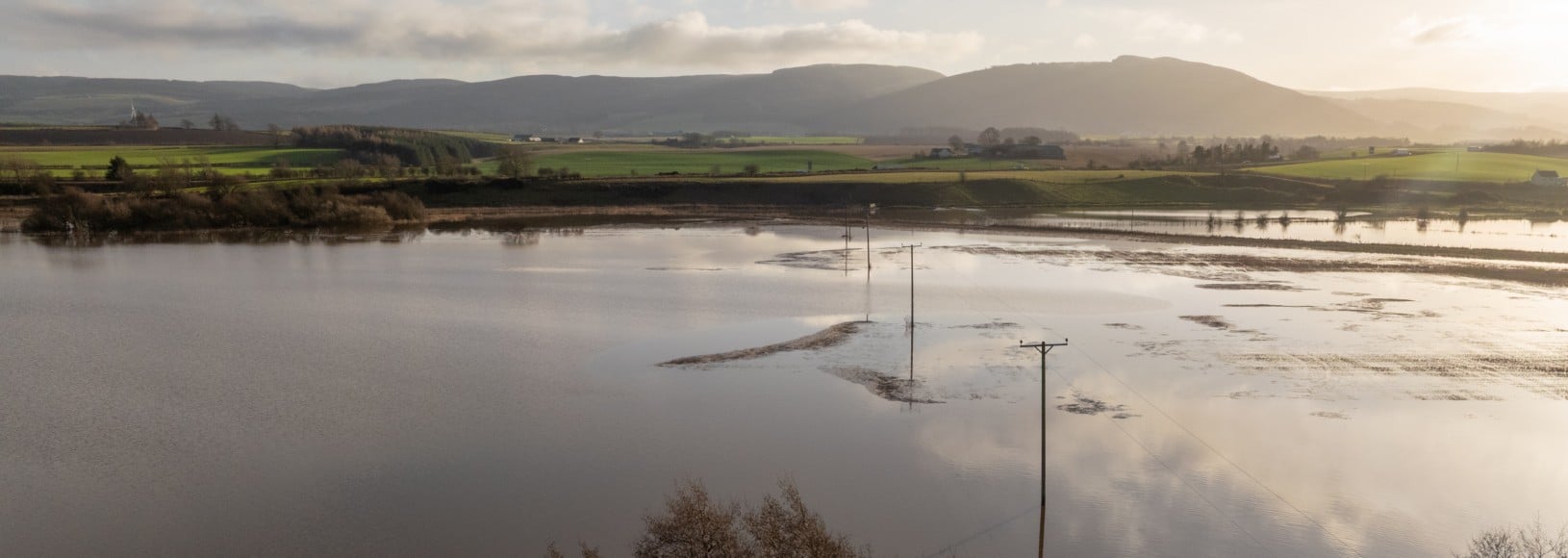
The Nature4Networks project shows how natural means can deliver fit-for-purpose solutions to protect the integrity of the electricity networks in a more volatile climate, in a way that reduces the impact on the environment and benefits biodiversity.
Where previous approaches may have resulted in man-made barriers being built, Nature4Networks instead looks at how the use of trees, natural troughs and the planting of certain species can supplant these options in a more natural way.
This new funding will support real-world trials of the following solutions:
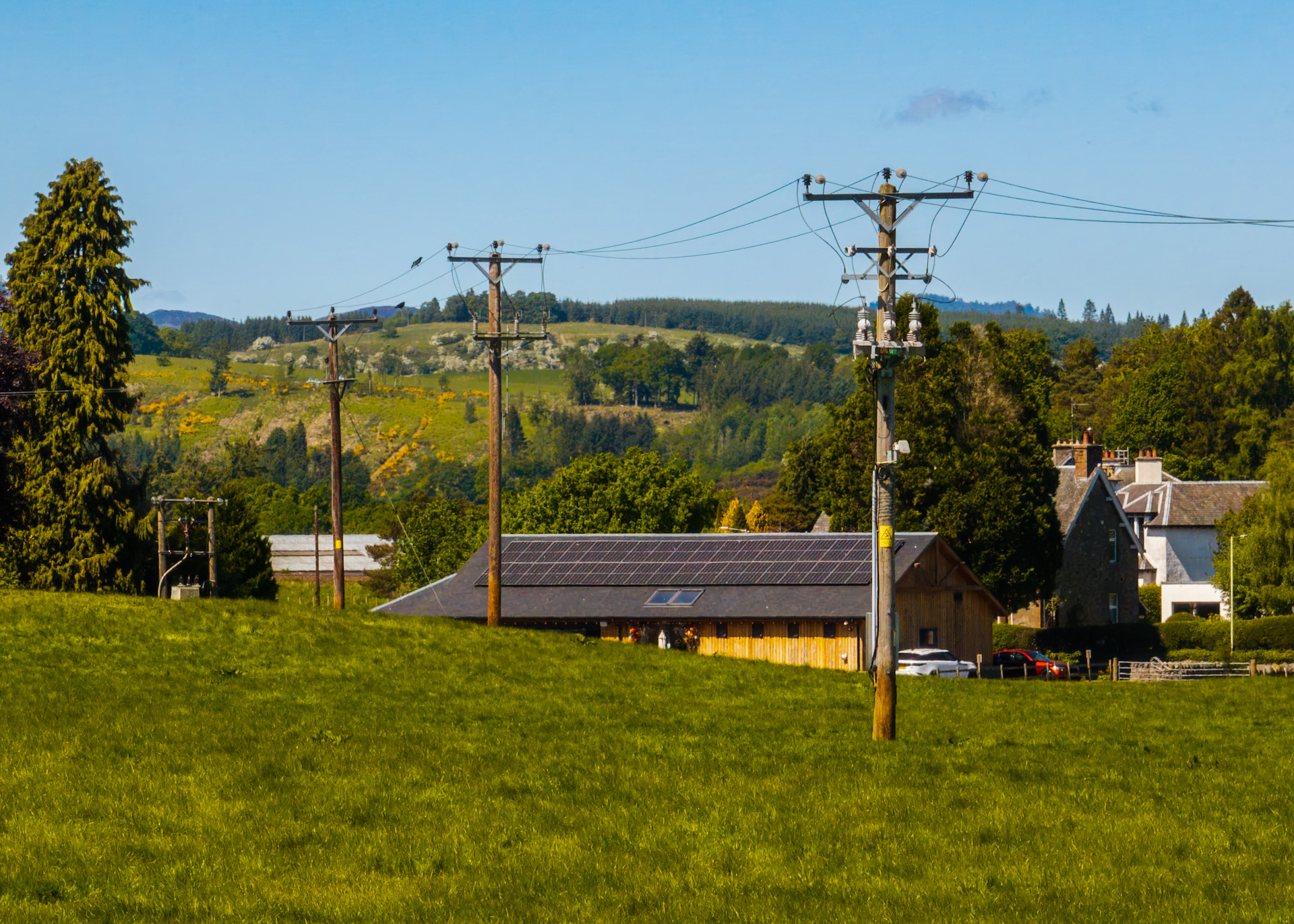
- The planting of carefully-designed native woodland corridors in two locations alongside 1.5 km of network to assess the protection they give to overhead lines.
- The trial of ‘bioswale’ natural drainage channels to contain any leaks from substation equipment.
- The deployment of different types of sustainable drainage systems (SuDS) around substations to help protect them from potential flooding risks.
This work will build upon what’s already been learned during earlier Nature4Networks phases, which established how natural solutions could benefit customers and communities by lowering costs, benefiting the environment, and reducing power cuts.
Project partners:
GHD, Frontier Economics, James Hutton Institute, Guidehouse, Great Yellow.
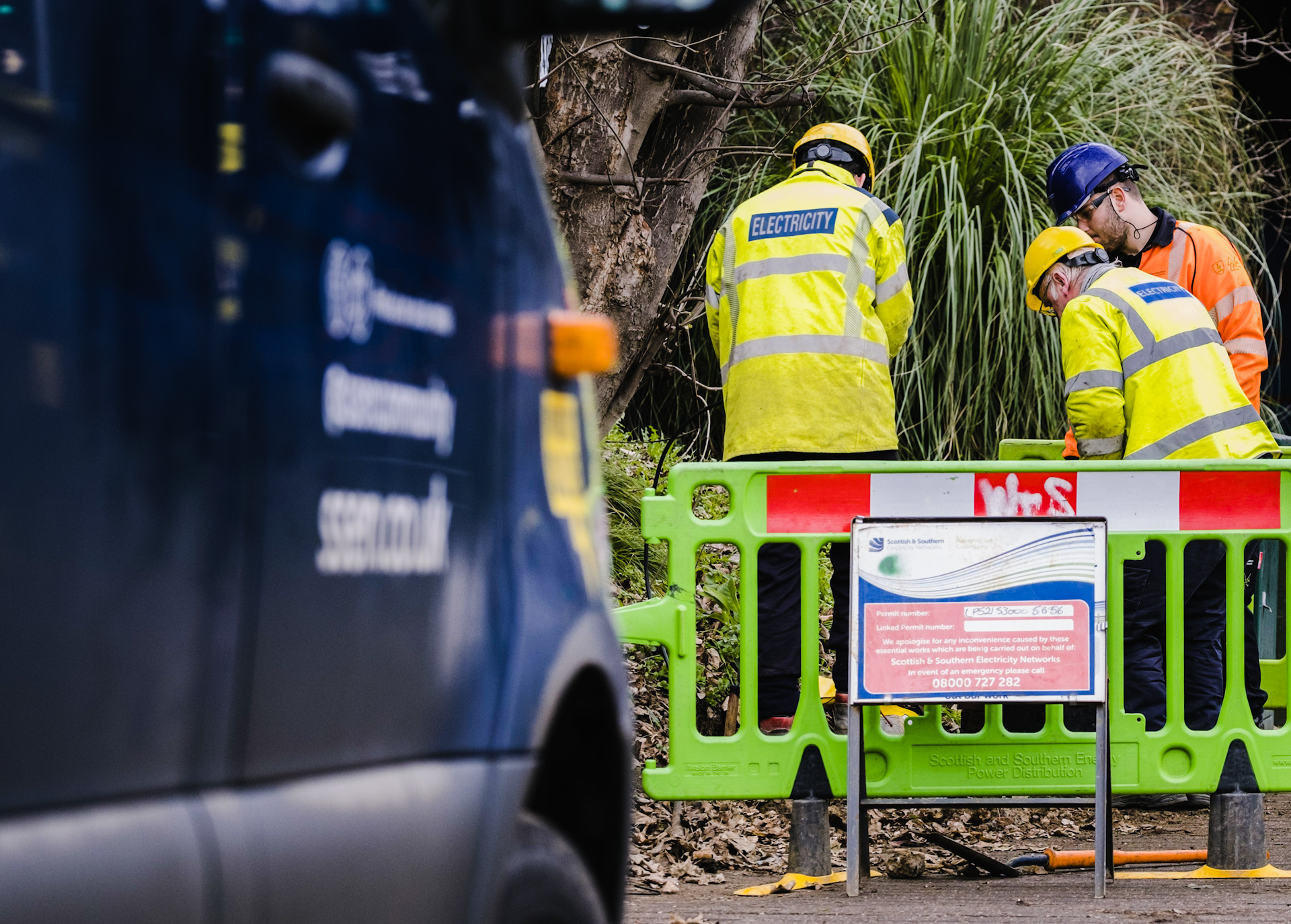
Pathways to 2050 is a three-year plan that seeks to transform the way low-voltage, local electricity networks are planned, ensuring they can support communities as they decarbonise. As more homes and businesses move over to electric vehicles, heat pumps, and rooftop solar panels, local electricity networks need to change to meet the resulting demand for more clean power.
Across our network areas, tens of thousands of local substations and hundreds of thousands of feeder lines (which transport electricity locally to transformers and customers) will need to manage this growth. Pathways to 2050 will meet this challenge with a proactive, data-led approach that anticipates where and when investment is needed, or if alternatives can offer a better solution.
By bringing together network data, local forecasts, and insights from customers, the project will mean planners and designers can develop targeted, fit-for-purpose solutions for each community. This includes identifying where using flexibility services to manage demand might reduce or defer the need for physical upgrades, thus lowering costs while maintaining reliability. This analysis also means that when improvements to networks are required, they can be delivered more efficiently, in a way that causes less disruption to customers.
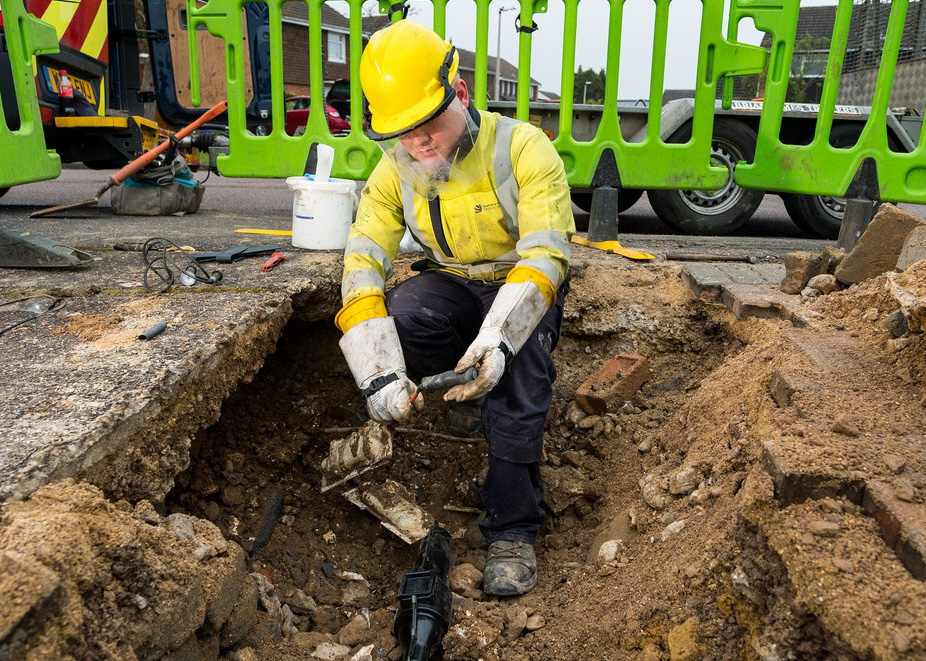
Through this approach, Pathways to 2050 aims to make decarbonisation simpler, more affordable, and more accessible for customers, while ensuring the electricity system continues to support a secure, resilient, and sustainable future.
Project partners:
Faculty, Sia, Energy Systems Catapult, IFS Copperleaf, James Hutton Institute, National Farmers Union of Scotland, Low Carbon Hub.
These two projects have been successful at the Strategic Innovation Fund’s cycle ‘Beta’ phase. Ofgem’s Strategic Innovation Fund is delivered in partnership with Innovate UK.
Frank Clifton, Innovation Manager at SSEN Distribution, says:
“This vote of confidence in Nature4Networks and Pathways to 2050 will turn these projects into vehicles for developing real-world answers to some of the greatest challenges we face as an electricity distribution network.
“By harnessing the power of nature and the power of data, these two projects will deliver sustainable, tangible, smart solutions that will benefit all our customers and communities. As we embark on this exciting next stage, my thanks are due not only to our in-house innovation team, but also to our numerous project partners who are supporting us every step of the way on this journey.”
SSEN Distribution’s leadership in the innovation field
Our five newly-funded innovation projects have between them received around half of this cycle’s total Strategic Innovation Funding from Ofgem.
Ofgem’s recent annual report into the electricity distribution sector noted that we had invested the highest sum into innovation projects via Network Innovation Allowance (NIA) funding. Our focus however isn’t just on investment figures, and centres on further deepening the collaboration we already enjoy with increasing numbers of partners – including fellow network operators – to deliver the greatest benefits for customers and communities from its investment in new ideas.
The sum we invested within the NIA funding stream during the 2024/25 financial year is greater than that invested by four out of the other five distribution network operators combined. This aligns with Ofgem’s stated goals for the current regulatory period for distribution networks, which encourage network operators to go beyond ‘business as usual’ when it comes to finding better, more cost effective, and smarter ways of doing things.