Our upgrade project to increase the resilience of the overhead electricity infrastructure in a Surrey village has led to a fascinating archaeological find dating back at least 1600 years.
As the Distribution Network Operator (DNO) for the area, we recently carried out a comprehensive refurbishment of the poles and associated kit that brings power to over 3,000 homes and businesses in Wrecclesham. The £259,000 scheme saw the removal and replacement of 19 poles supporting the area’s overhead cables and the installation of three new switches to reinforce the local network and ensure a more resilient and reliable supply for customers.
It was during the design phase of these works that we identified six pole replacements located within the Scheduled Ancient Monument of Alice Holt Forest; a site known to have been an important location for Romano-British pottery production. To safeguard this historically significant area, we worked closely with Wessex Archaeology to obtain Scheduled Monument Consent and provide on-site archaeological monitoring throughout the initial excavation works.
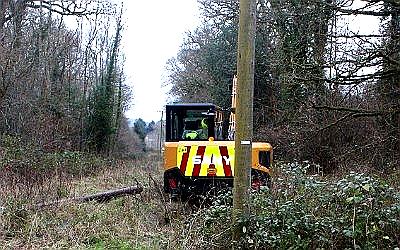 ABOVE: One of the 19 poles being replaced as part of our upgrade project and where some of the pottery was unearthed
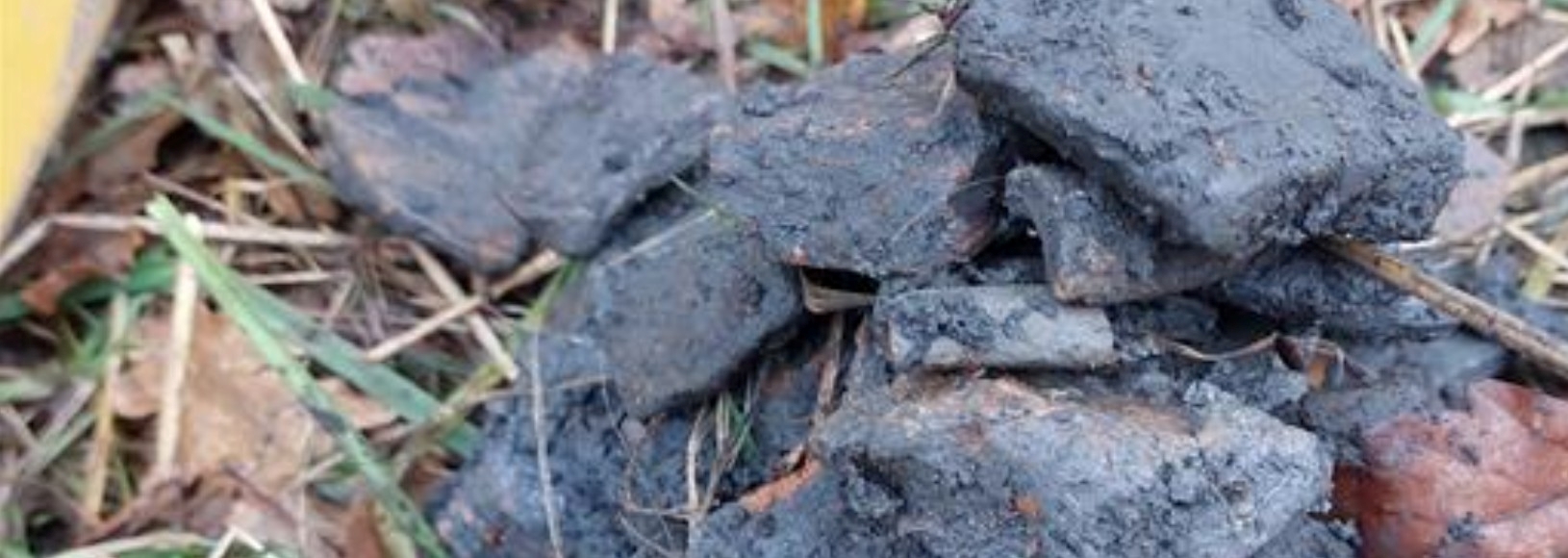
While carrying out these excavations the teams uncovered 31 fragments of Romano-British pottery and fired clay, known as Alice Holt pottery which is known to have been produced in the area from the late 1st century AD and widely distributed across southern Britain, including Roman London.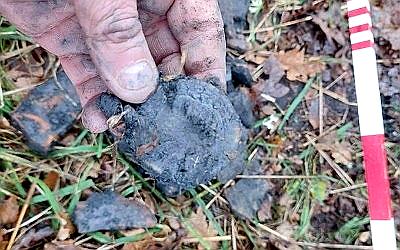 ABOVE: Some of the 31 pieces of pottery found by Wessex Archaeology on our site
Our Project Manager for the works, Sasha Woodhouse says:
“This project has not only strengthened the local electricity network for Wrecclesham’s homes and businesses, but also highlights SSEN’s commitment to working sensitively, especially in areas of historical importance.
“By working with Wessex Archaeology, we’ve ensured the preservation and heritage of Alice Holt Forest while delivering an essential infrastructure improvement for our customers.”
Kevin Trott, Finds Specialist at Wessex Archaeology adds:
“Over many years, Alice Holt Forest has provided fascinating glimpses into the production of Romano-British pottery at this site.
“Although the fragments uncovered during recent work were small in number, their proximity to Roman kilns adds to our understanding of the production of pottery in this area.”
Wessex Archaeology and Hampshire Cultural Trust are currently in discussion to agree a permanent home for the finds. The Trust will then be responsible for their storage and care, ensuring they are preserved and made accessible to researchers.
We're committed to delivering essential infrastructure upgrades across central southern England, while preserving the rich heritage of the communities it serves.