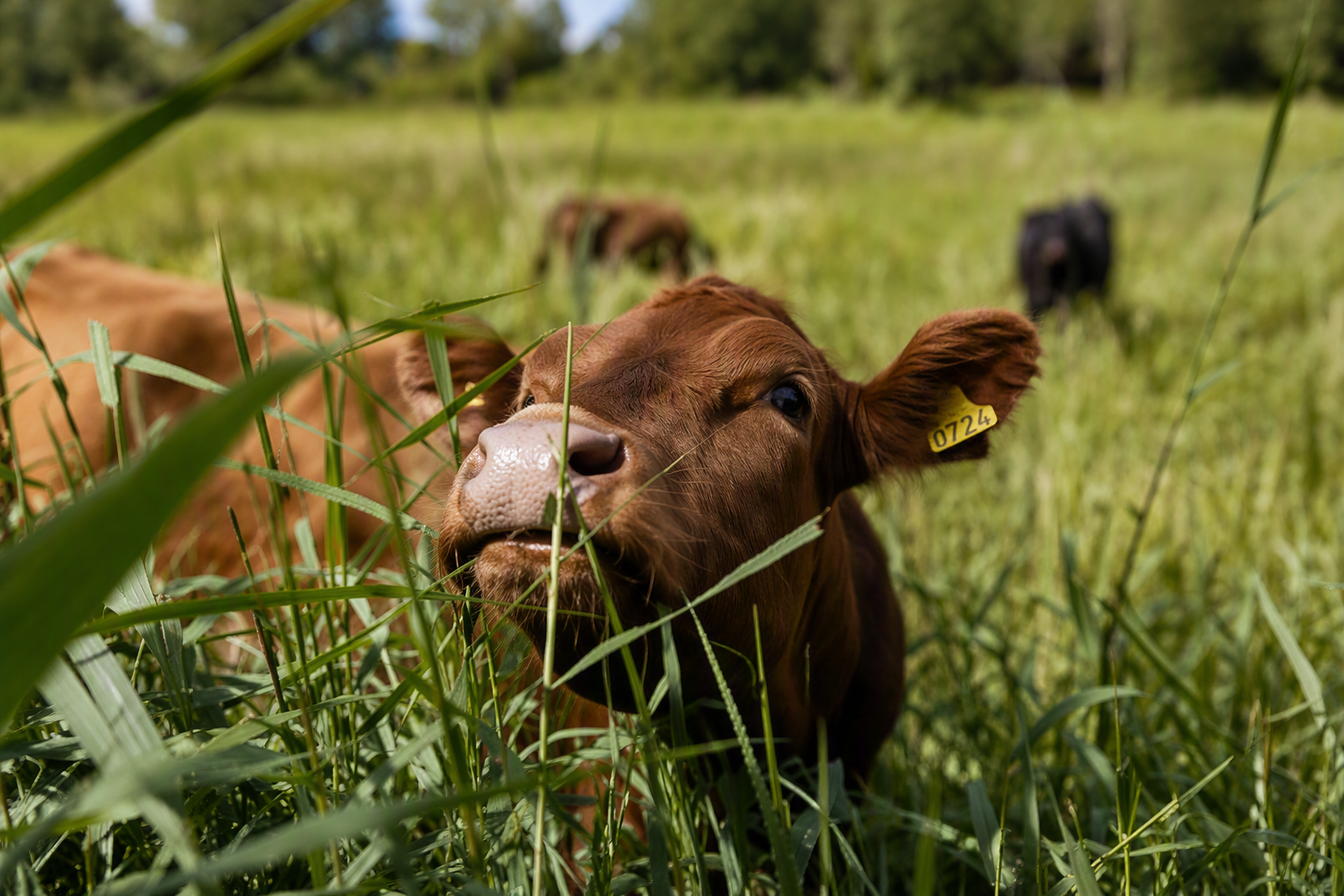
 Above: One of the five, native Dexter cattle introduced to the fen (Image courtesy of Freshwater Habitats Trust)
Through Projects for Nature, we're helping fund a programme of practical improvements on the open fen by clearing scrub and trees, mowing poorer-condition fen, and translocating hay from Cothill Fen Special Area of Conservation to introduce seed from characteristic alkaline fen plant species.
As the nature reserve is open to the public, new fencing and gates will enable safe grazing across the reserve, while boardwalks and other public access improvements will help visitors continue to enjoy the site with greater accessibility.
Part of our £77,000 funding has also enabled the purchase of five, native Dexter cattle, whose natural ability in conservation through grazing, will help manage vegetation and create conditions where rare wetland plants and wildlife can thrive. The cattle wear GPS-enabled collars, allowing the team to manage and monitor where they graze.
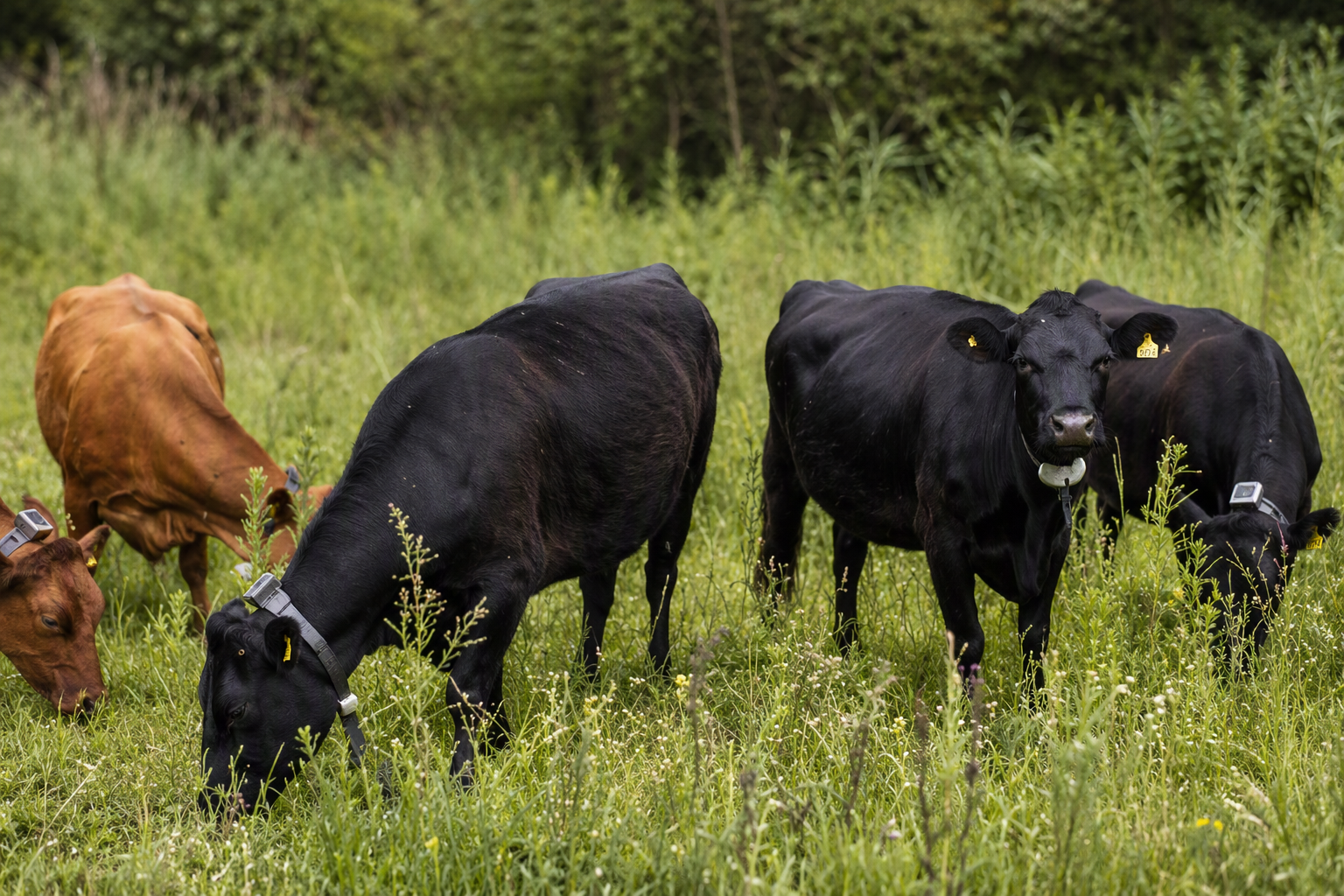 Above: The native Dexter cattle grazing on the fen, wearing their special GSP-tracker collars (Image courtesy of Freshwater Habitats Trust)
Shirley Robertson, our Head of Strategic Planning and Sustainability says:
“SSEN Distribution was the first utility company to support Projects for Nature, which we see as both a privilege and a responsibility to the environment where we and our customers live and work.
“Our infrastructure projects already include significant measures to protect and enhance the natural environment around them, so our support for this initiative aligns with our belief in protecting and preserving the natural habitats in our distribution areas, delivering broader ecosystem service benefits, such as carbon removals and flood protection, to the communities we serve.
"It's a pleasure to see our funding is helping Freshwater Habitats Trust restore this rare fen and make lasting improvements for nature, local residents and visitors to the area.”
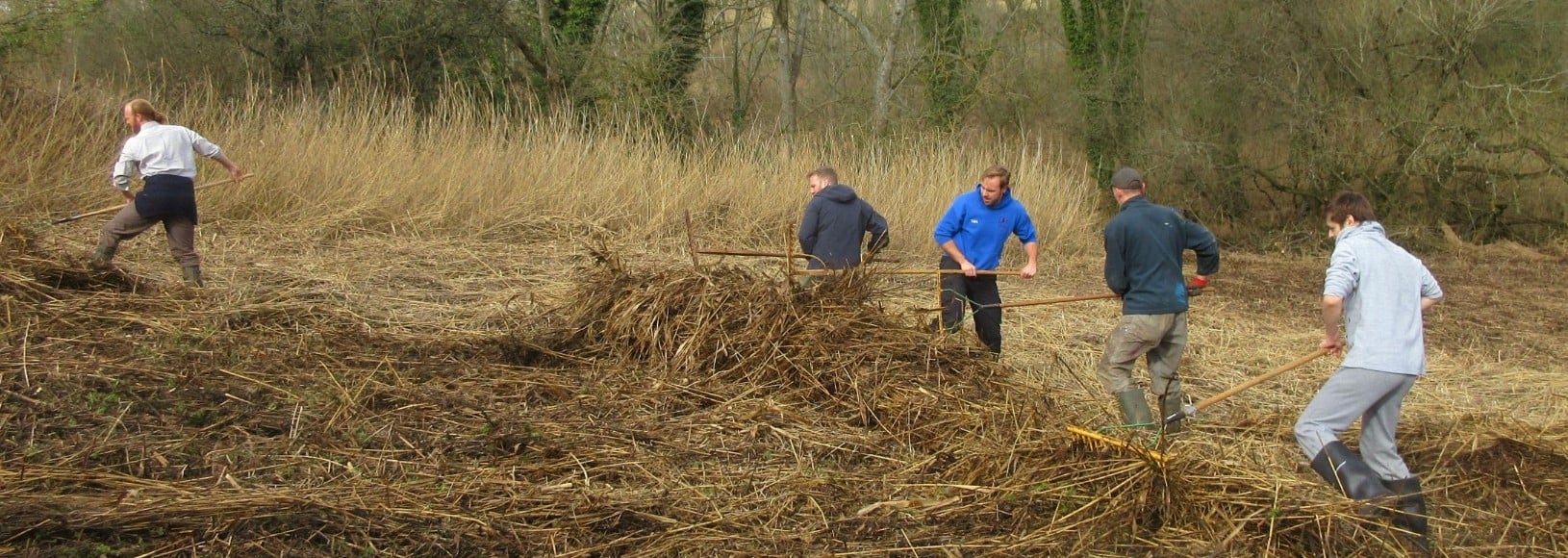
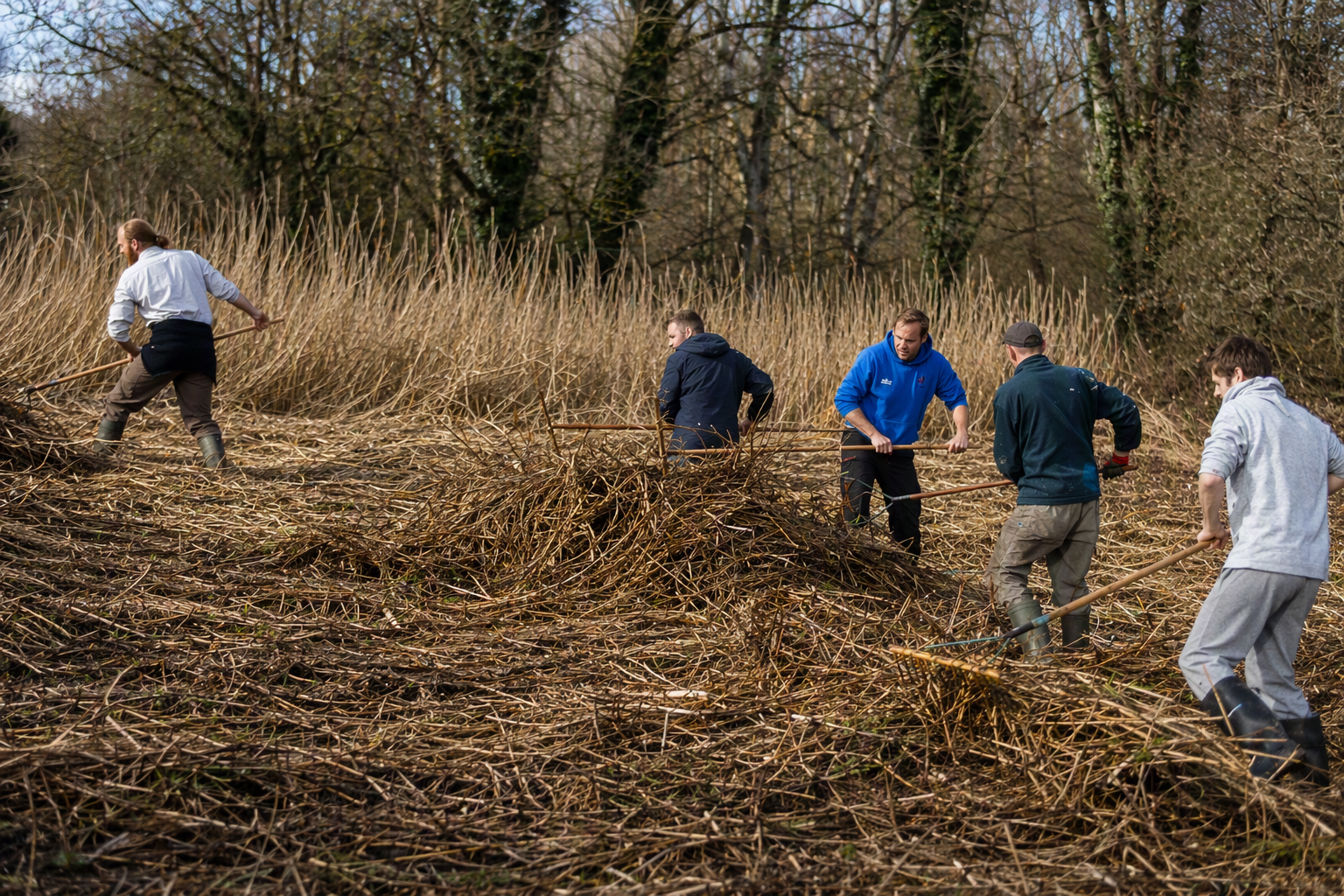 Above: The introduction of the cattle and the accompanying works will give the restoration team more time to work on other aspects of this vital project (Image courtesy of Freshwater Habitats Trust)
Freshwater Habitats Trust Senior Plant Ecologist and fen expert David Morris adds:
“Our fantastic volunteers have achieved so much since 2018. After a century or more of neglect, their work has provided the big ecological reset the fen here needed to begin recovery.
“The plan is that the cows will now carry out more of the maintenance work, so volunteers can focus on restoring new areas. With grazing in place, volunteers can take on different tasks, such as introducing rare plants and managing invasive species.
“Our ultimate ambition is to realise the site’s ecological potential - and as this is one of the biggest fens in Oxfordshire, the benefits for nature could be huge.”
Our funding is being delivered through Projects for Nature; a platform connecting businesses with nature recovery projects assessed by government and environmental bodies. The Hinksey Heights project is one of two nature recovery projects currently being supported by us through this platform, to help restore vulnerable habitats in the communities we’re proud to serve.
Hinksey Heights covers around 9 hectares and is partly managed as a nature reserve open to the public. The site forms part of Oxfordshire’s internationally important concentration of alkaline fens, a habitat that has declined significantly as traditional grazing practices have been lost and scrub and trees have taken over formerly open wetland.