-
In the first-of-its-kind offer by a network operator, we've started delivering home battery packs to Priority Services customers who need the most support.
-
These are being given at no cost to people who meet certain specific criteria in communities across the central southern England and north of Scotland network areas.
-
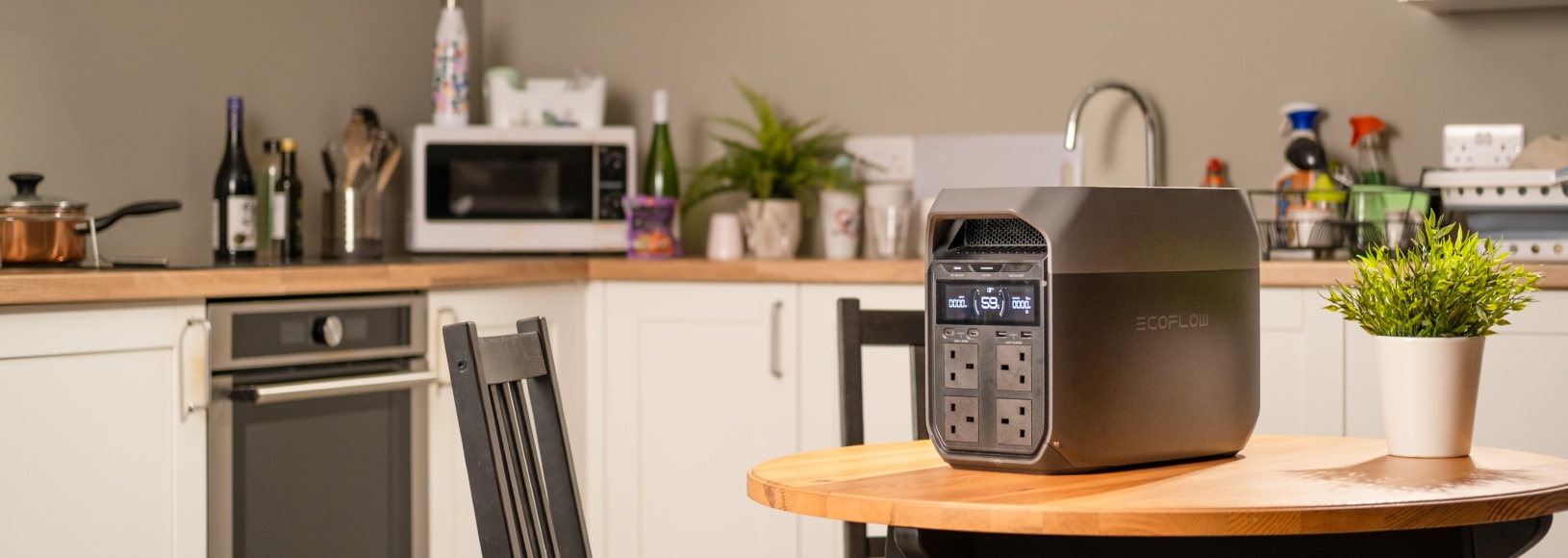
The portable batteries can provide power for devices providing light, heat and communications, offering extra peace of mind if the power goes off.
In an industry first, we've now delivered the first of 20,000 home battery packs to customers who will most benefit from the extra peace-of-mind and help they offer. We are providing these at no cost to people who meet certain specific criteria, and who are signed up for our Priority Services.
The aim of the battery packs is to provide customers who are medically dependent on electricity – in that they rely on powered medical equipment at home – with added support and peace of mind by giving them the capability to power some devices for a period of time.
How batteries will help customers
These new battery packs may help to minimise the impact to people of any period without power. Subject to approval from the manufacturers of specialist in-home medical equipment, the battery may keep these devices operating for longer if there’s a power cut.
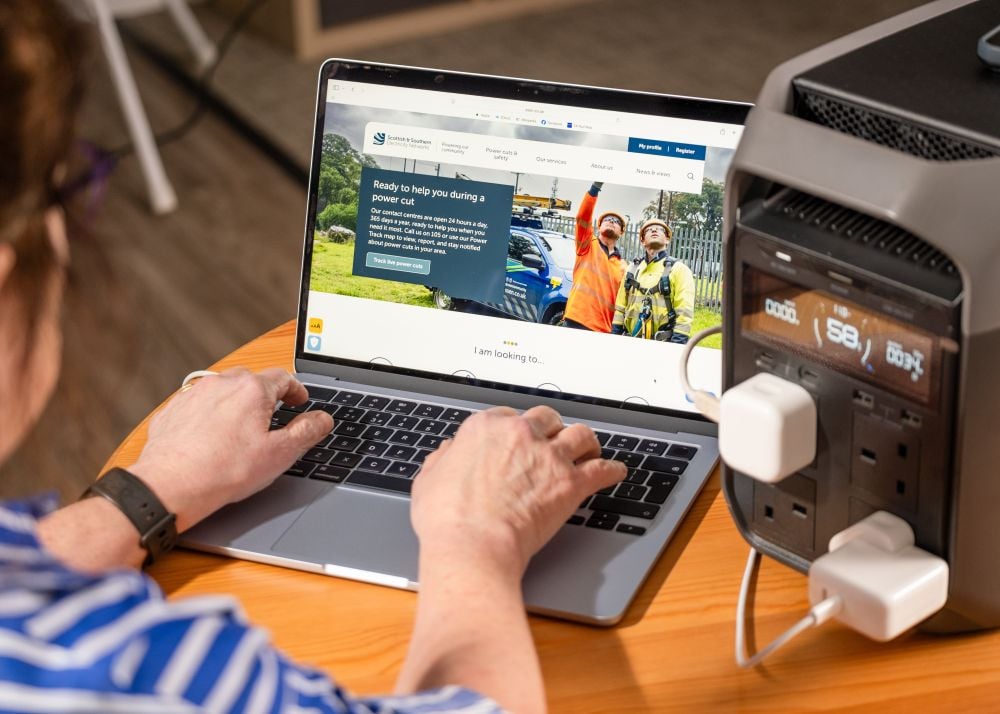
They can also be used with items providing light and heat, to charge mobile phones and laptops, or to power broadband routers. This will make it easier for people to keep in touch with carers, family or friends, and to get information they need, if the electricity goes off.
WATCH: Our Networks Priority Services Manager Rosemary Butcher explains more about the new Home Battery Packs
Who’s eligible for a battery?
People who are eligible do not need to apply for a battery. 1.2 million of our customers are signed up for what are called Priority Services. These people are offered extra help and advice before, during and after a power cut. When customers sign up, their needs and circumstances are assessed. This process - together with data on the frequency of power cuts in their area - will determine if a customer is eligible for a battery.
This process ensures those who are most dependent on having power in their home are provided with this extra support. Eligible customers will be contacted when it’s their turn to receive a home battery pack; 94% of those who have been offered one since the launch of the scheme at the beginning of February have accepted it.
How the battery model was chosen
Our dedicated team ran a six-month trial, providing batteries to 28 people who rely on powered medical equipment. All of them had experienced a recent power interruption due to a storm or essential network maintenance.
This programme provided the project team with invaluable data and feedback. Customers told us they found their batteries easy to charge, use, and store. Their suggestions for improvements have been factored into the roll-out now getting under way, and the capacity of the battery packs now being provided has been increased by one third compared with those used during the trial.
WATCH: Andy and Ruth Miller with the battery they've been trialling as part of the pilot programme
Ruth and Andy Miller, who live near Andover in Hampshire, have been using a battery as part the trial. Ruth says:
"Having a Home Battery Pack for the past several months has been really worthwhile for us.
"My husband sometimes needs to use an oxygenator, and we've tested it with the battery and it's performed well. We've also used it to keep our mobile phones topped up.
"During this winter, we’ve had a brief power cut, so it's been reassuring for us to know the battery's been there if we needed it. Fortunately, no sooner had I got the battery set up, then our power went back on! But it's given us both more peace of mind to know this battery will be able to help us in the event of a longer power cut."
Christina Laing lives on South Uist in the Western Isles. She’s also been using a battery for several months as part of the pilot. Christina says:
“I need use a mask during the night, so I’ve been happy to try the home battery pack out, and I’m glad I’ll be able to keep it now the trial is over. It’s given me a bit more reassurance to know that if the power were ever to go off, I’d have it to potentially help run my medical equipment.”
Vivienne Batchelor from Devizes in Wiltshire has also been using a battery pack on a trial basis. Vivienne told us:
"My husband and I are both severely disabled, and having the home battery pack gives us extra peace of mind that in an emergency we can keep some of our most important electrical items going."
Eliane Algaard, SSEN Distribution’s Services Director, says:
“We’re proud to be able to deliver this first-of-a-kind benefit for our customers, to provide additional support for those most in need. People who used a Home Battery Pack during the trial told us it made a big difference to them. They said they felt more prepared because they knew how the battery could help support them in their own homes if the power went off for a time.
“Following this successful trial, and a lot of work from our team to select a battery that will meet customers’ needs and be easy-to-use, this is a huge moment as batteries are sent out to the first of many thousands of customers who will benefit from them the most.
“Our customer service teams have been fully trained in all aspects of the batteries, so help will be on hand as people get used to them.”
Helen Walker, Chief Executive of Carers UK, says:
“Unpaid carers are often the first port of call when the power goes off, responsible for keeping family members and friends safe and supported at home.
“SSEN Distribution’s industry-first home battery packs give carers and their families vital reassurance and help reduce the stress of potential power loss.
“Combined with SSEN Distribution’s provision of Power Cut Plans to its Priority Services customers, this is the kind of innovation we hope other Distribution Network Operators will now adopt.”
Further information on battery pack use
People who are eligible to receive a battery pack can use it to charge their essential devices at home, such as phones or tablets. The battery may also be suitable for other equipment, and we recommend referring to manufacturers’ advice before connecting such items.
If a customer is having a medical situation, or their medical equipment is not working, or running low on charge, they should seek assistance immediately from the emergency services by dialling 999 in an emergency or 111 for help or advice.
The EcoFlow Delta 3 battery customers will receive has:
- a 1,024Wh capacity
- a range of USB-A, USB-C and three pin sockets
- a weight of just over 12 kg
- dimensions of 398 x 200 x 284mm
Additional support for customers signed up to Priority Services
Home battery packs are just the latest benefit being delivered by our Priority Services team. More than 150,000 Priority Services customers have now been issued with dedicated Power Cut Plans in another first for a Distribution Network Operator.
These plans provide people with useful power cut advice that’s tailored to their own condition and needs. They have been compiled with help and expertise from health care experts, charities and people who live with conditions.
New subscribers to Priority Services are given a Power Cut Plan when they sign up, while existing members are being sent theirs according to the nature and extent of their condition and needs.